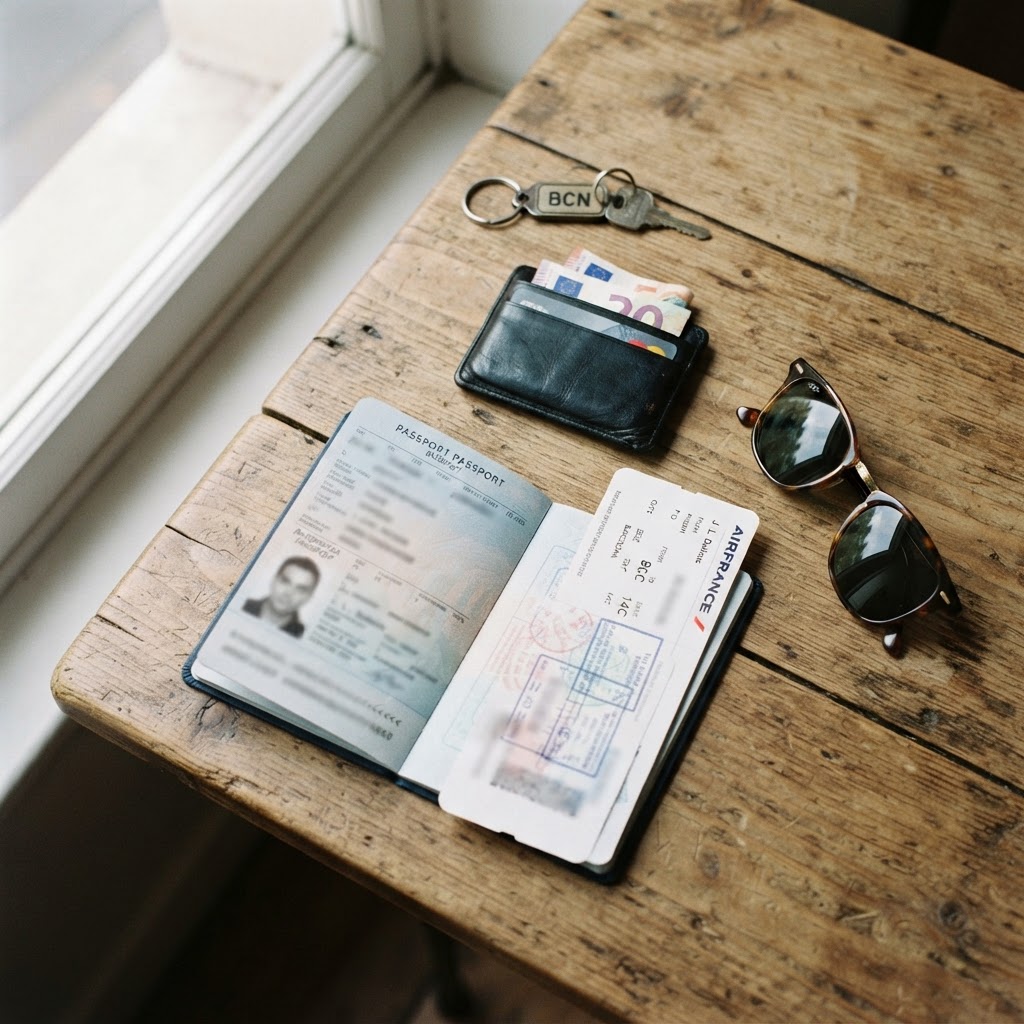
Your first international trip is rarely ruined by the big things. It's slowed down by the small ones — a passport that expires too soon, a card that doesn't work abroad, an insurance gap you only notice when you need it. This is a short list of the decisions that quietly make or break a first trip overseas, written for Canadian travelers heading out for the first time. Nothing here is exotic; that's the point.
1. Check your passport — and the six-month rule
Many countries require your passport to be valid for at least six months beyond your return date. This catches first-timers constantly: you land, the entry officer counts forward, and you're turned away because your passport expires in four months. Renew early. While you're at it, take a phone photo of your passport's photo page and store it somewhere you can reach without your phone — a cloud note or an emailed copy to yourself.
2. Sort your visa before you book non-refundable travel
Visa rules depend on your passport and your destination, not your residency, and they change. Some destinations are visa-free for Canadians; others need an e-visa or a consulate application that can take weeks. Confirm the requirement before you book flights and hotels. If the destination is complex, our team handles visa assistance as part of planning.
3. Carry more than one way to pay
Take at least two cards from different networks and a small amount of local cash for the first day. Notify your bank that you're travelling so they don't freeze the card on the first foreign transaction. A card that works for purchases may not work at every ATM, and a card that works at ATMs may decline online — redundancy is the whole point.
4. Get travel insurance before you leave
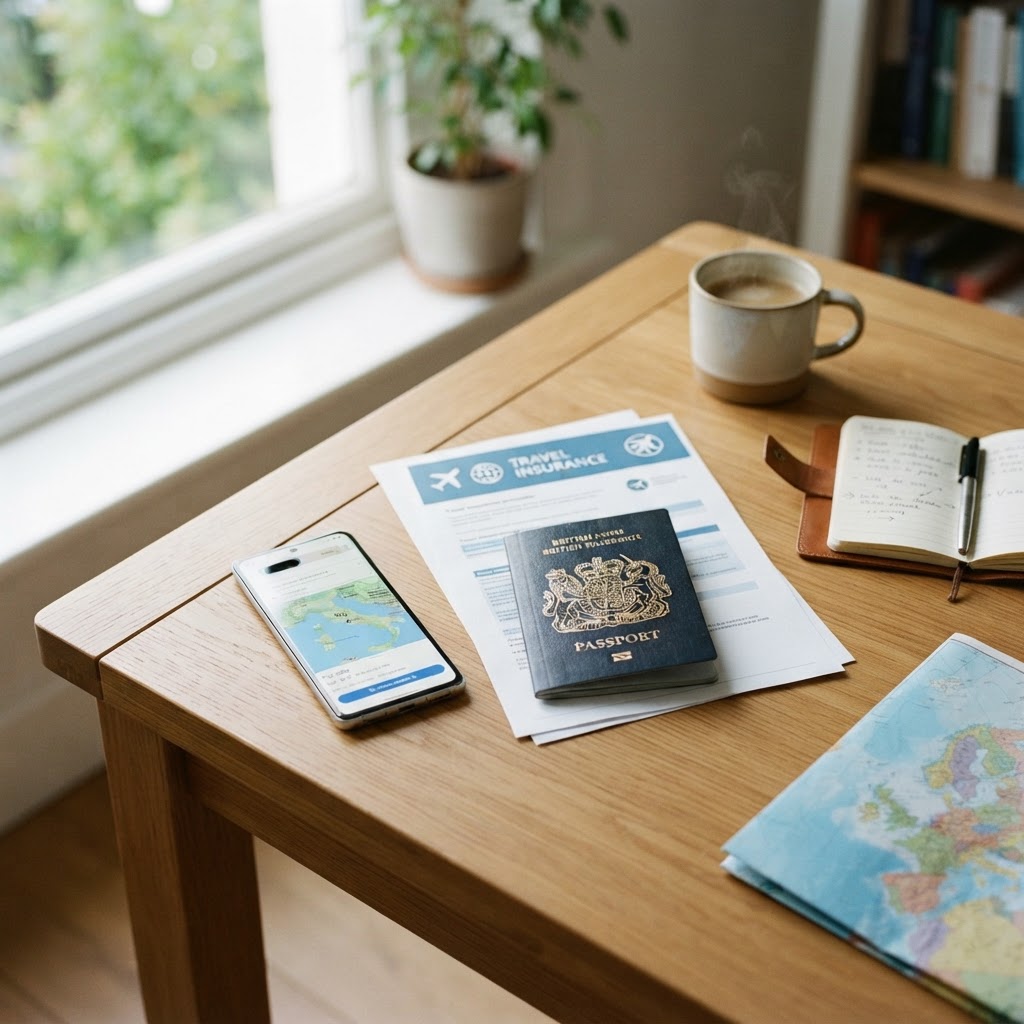
Canadian provincial health plans cover almost nothing abroad, and a single emergency room visit can run into thousands. Travel insurance that includes emergency medical, evacuation, and trip cancellation is one of the few things on this list that's genuinely non-optional. See our travel insurance options, and read the policy for what's actually covered — pre-existing conditions and adventure activities are common gaps.
5. Pack lighter than you think you need
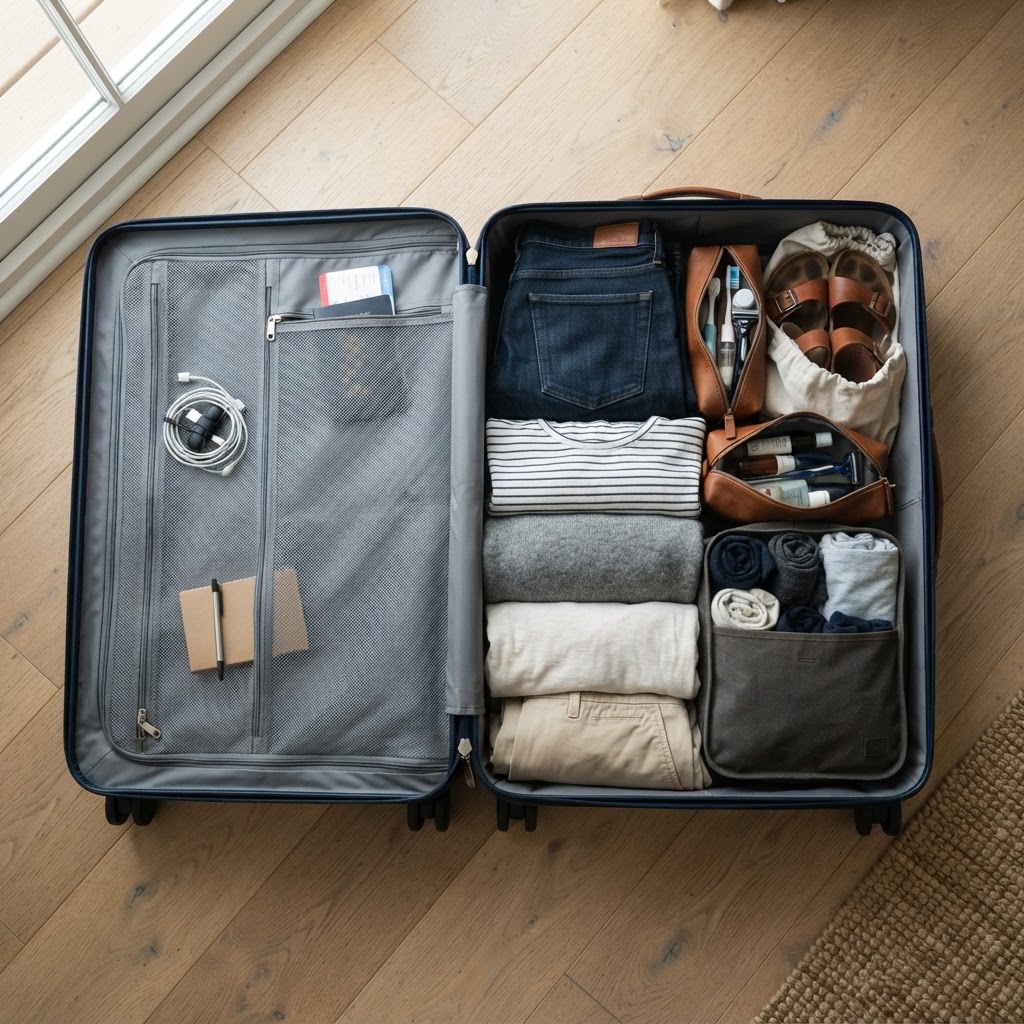
First-timers overpack. A carry-on plus a small backpack covers a week for most destinations if you're willing to do laundry. You'll move faster, skip baggage waits, and avoid lost-luggage risk. Lay out everything you plan to take, then remove a third.
6. Arrive at the airport earlier than feels reasonable
International check-in and security lines are unpredictable. For your first trip, arrive three hours before an international departure. The cost of being early is a coffee and a book; the cost of being late is a missed flight and a rebooked itinerary.

7. Save key addresses offline
Save your hotel address, your embassy's address, and your first-night directions to your phone in a format that works without data — a screenshot or a notes app. "Hotel near the beach" is not an address a taxi driver can use after a long flight.
8. Learn five words, not a whole phrasebook
Hello, thank you, please, excuse me, and "do you speak English?" in the local language will open more doors than any app. You don't need fluency; you need the gesture of trying. People who feel respected tend to help.
9. Plan your first 24 hours, then leave the rest open
Book your first night's accommodation and your airport transfer in advance. Beyond that, resist the urge to schedule every hour — the trips people remember usually include an unplanned afternoon. If you want structure without rigidity, our itinerary planner builds a day-by-day plan you can adjust.
10. Keep copies, and split your valuables
Keep a backup of your passport, cards, and insurance policy number separate from the originals — in a bag you're not carrying, or online. Don't carry all your cards and all your cash in the same place. If one bag goes missing, you keep moving.
A few things worth booking together
If this is your first international trip, the pieces that fit least obviously are flights, transfers, insurance, and the first night's hotel. We can coordinate all of it — see our flight booking service and vacation packages, or talk to us about where you're headed.
Frequently asked questions
How long does my passport need to be valid?
Many countries require six months of validity beyond your return date. Check your destination's requirement and renew early if you're anywhere near the threshold.
Do I need visas for every country?
It depends on your passport and the destination. Some are visa-free for Canadians; others need an e-visa or a consulate application. Confirm before booking non-refundable travel.
Is it safe to use my phone abroad?
Check your roaming plan before you leave, or use a local SIM or eSIM at your destination. Turn off data roaming until you've confirmed what your plan covers.
How much cash should I carry?
Enough for the first day and small places that don't take cards. Beyond that, rely on cards and pull cash from local ATMs as needed — it's usually a better rate than exchanging at home.
Ready to go?
If you'd like help turning a first trip into a smooth one, we can plan it with you. Start planning your trip or speak with a travel expert.